YouTube in 2006 felt less like an industry and more like an open door. People uploaded because they had something funny, strange, useful, or interesting to share. There was no universal creator playbook and very little pressure for every video to look like television. I started my channel in that environment with the most durable idea I have ever had: take a camera somewhere interesting and let other people experience it.
Before the modern creator formula
Early YouTube rewarded experimentation because nobody fully understood what the platform would become. A video did not need a complicated brand system to have value. It needed a reason to exist. That freedom encouraged me to film the places, events, and subjects already capturing my attention.
The tools were more limited, but the limitation could be useful. When a camera, connection, or editing system cannot do everything, you learn to identify the essential shot. You make choices about what the viewer truly needs to understand. Better equipment has expanded what I can show—especially through stabilized video and licensed aerial work—but equipment still cannot decide what is worth noticing.
The channel grew around places
Over time, the main channel found its center in first-person exploration: resorts and casinos, Atlantic City, local landmarks, community events, road trips, and places in the middle of change. I am interested in the relationship between the attraction visitors are supposed to see and the larger place surrounding it.
A resort walk can answer practical questions while also revealing design, history, and the way a property fits its location. A street walk can show the distance between a famous district and everyday life. Aerial footage can establish geography that is impossible to understand from the ground. The subject changes, but each video tries to give viewers a genuine sense of being there.
Cameras changed. YouTube changed. Curiosity remained the most important piece of equipment.
Views are evidence, not the entire purpose
The channel has now reached more than 4.2 million views. I appreciate every person behind that number, especially because much of the work focuses on subjects that traditional travel media might ignore. One Atlantic City back-street walk alone passed 600,000 views, showing that a patient look at an overlooked place can connect with a very large audience.
Numbers help me understand what viewers find useful or surprising, but a smaller video can still be successful. It may preserve a local event, answer the exact question a traveler is asking, document infrastructure before it changes, or introduce somebody to a place they would never visit otherwise. The long life of a video can matter more than its first week.
Why there are two channels
The Frank Palmisano channel is the main body of work. That is where the destination stories, resort explorations, local history, and aerial views belong together. Upstate Speedtests is intentionally a secondary, nerdier channel for wireless networks, spectrum, small cells, and the physical infrastructure behind a signal bar.
Separating them gives each audience a clearer promise without pretending the interests are unrelated. Both channels begin with the same instinct: go outside, examine a real system in a real place, and report what actually happens rather than relying only on a map, specification, or advertisement.
The work is personal
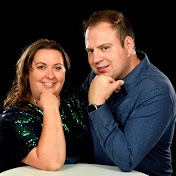
My wife is part of the adventure, even when I am the one wandering off with a camera or watching the weather for a possible drone flight. Trips become stories, familiar places become historical records, and the channel becomes a timeline of what interested us and what the region looked like at a given moment.
That personal connection keeps the work from becoming an assembly line. I want each video to contain something I genuinely wanted to learn or show. Viewers can tell when a creator is only filling a schedule. Curiosity is harder to fake and much more sustainable.
Why I still press record
After nearly two decades, YouTube is more crowded, polished, and commercial than it was in 2006. It is also still capable of connecting one person’s careful observation with viewers around the world. A side street, local celebration, unusual resort, or piece of infrastructure can become useful to somebody I will never meet.
I keep filming because places do not stay still. Buildings close, businesses change names, traditions evolve, networks are rebuilt, and familiar views disappear. Showing up with a camera makes a record of the change—and every so often, it finds an audience much larger than the place itself.